
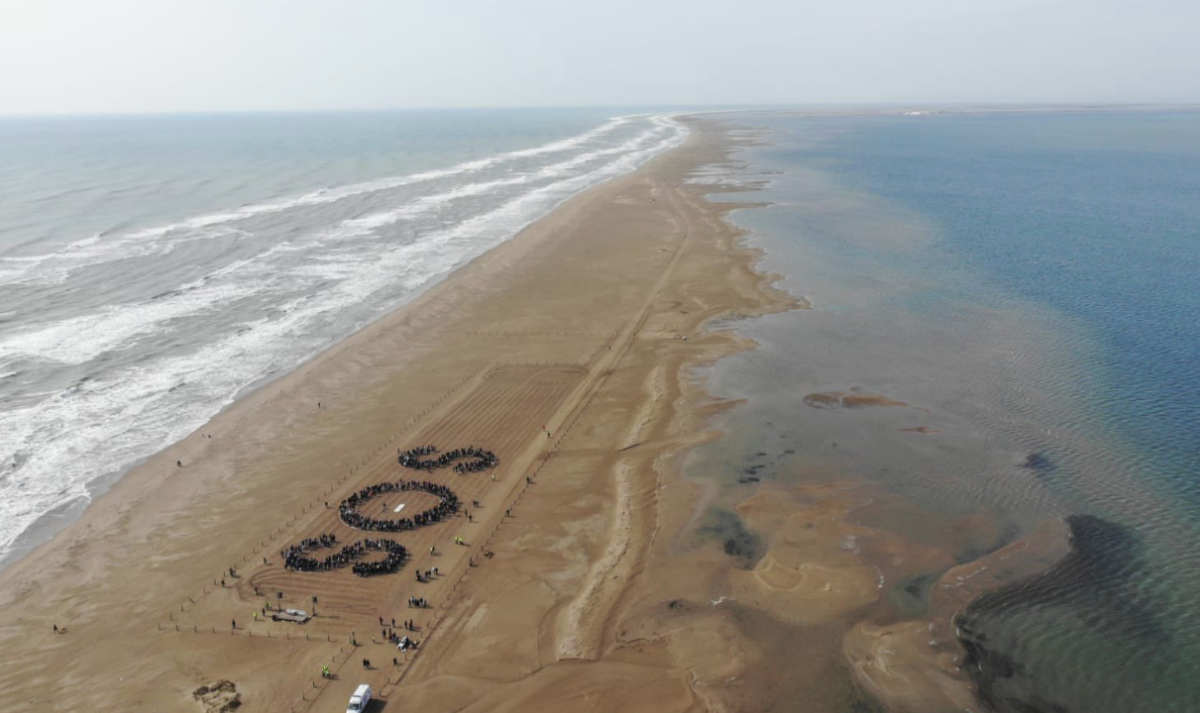

The Ebro Delta, one of the most valuable and fragile ecosystems in the Mediterranean, is in a critical situation due to the effects of climate change. This natural area, known for its biodiversity, rice paddies, and the delicate balance between land and sea, is undergoing transformations that threaten its future.
Reduction of sediment input
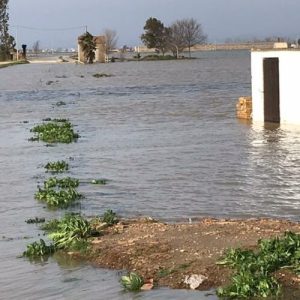
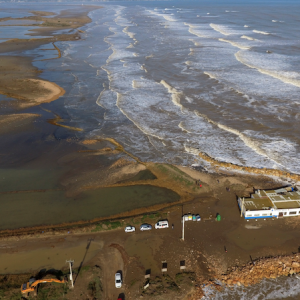
Another determining factor is the decrease in sediment deposits from the Ebro River. Dams and reservoirs located upstream retain much of the material that previously reached the Delta, preventing it from regenerating naturally. Without these sediments, the land slowly subsides and becomes more vulnerable to flooding and marine erosion.
Rising sea levels
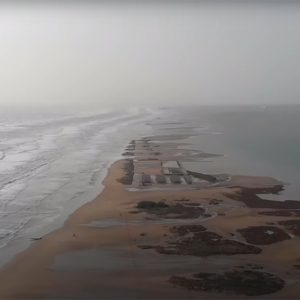
One of the main problems facing the Ebro Delta is rising sea levels. According to various studies, the increase in global temperatures is causing the polar ice caps to melt and water to expand thermally, leading to a gradual rise in sea level. In the case of the Delta, this situation translates into land loss and salinization of agricultural soils, especially in the lower-lying areas closer to the coast.
Consequences for biodiversity
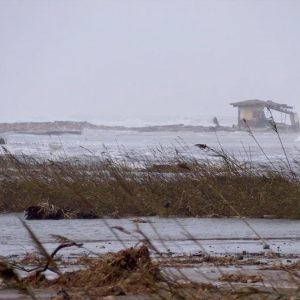
Climate change also directly affects the fauna and flora of the Delta. Migratory birds, fish, and plant species that depend on a balance between fresh and salt water are seeing their habitats altered. Saltwater intrusion modifies lake ecosystems and puts emblematic species such as the flamingo and the European eel at risk.
Impact on the local economy
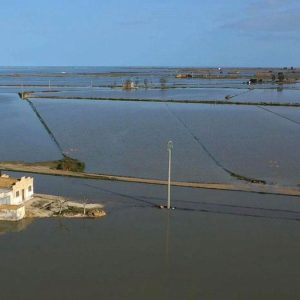
The economy of the Ebro Delta, based on agriculture, fishing, and tourism, is also suffering the consequences of climate change. The rice paddies, a symbol of the delta landscape, are threatened by soil salinization, while fishing is suffering due to the loss of breeding grounds and the alteration of marine ecosystems. Furthermore, tourism, one of the region’s economic drivers, could be affected by the degradation of the natural environment.
Initiatives for the protection of the Delta
In response to this situation, several initiatives are being launched to protect and restore the Ebro Delta. These include wetland restoration projects, sustainable water management, and the creation of natural barriers to curb erosion. Public awareness campaigns and collaboration between government agencies, scientists, and local communities are also being promoted to ensure a sustainable future for this unique area.
A balanced future
The Ebro Delta is a symbol of the relationship between humankind and nature. Its preservation requires a collective commitment to combating climate change. Only through responsible management and coordinated action will it be possible to maintain this living landscape, where water, land, and life continue to intertwine in a delicate balance.



0 Comment